The Contested Politics of Global Sisterhood: Race, Sex, and the Young Women’s Christian Association in Africa (1878-1971)
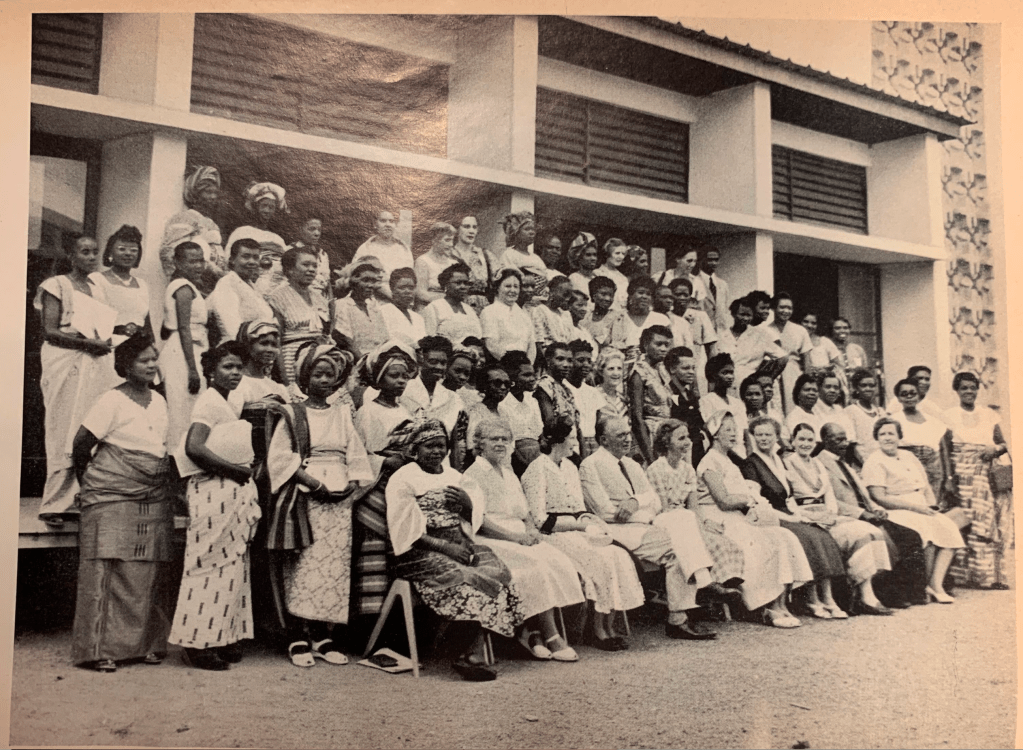
In the early 1910s, Adelaide Casely-Hayford became a leading activist in Sierra Leone, advocating for feminism and racial pride in Freetown. In 1919, Esther Fahmi Wisa participated in a women’s march that played a momentous role in the revolt against British rule in Egypt. In 1953, Evelyn Amarteifio established the influential National Federation of Gold Coast Women in Ghana. These cosmopolitan and literate African women shared common ground: they all shaped radical nationalist, anticolonial, and feminist movements that changed the African political landscape in the 20th century. But they also shared an unexpected feature. They were all involved in the World–Young Women’s Christian Association (YWCA), an international organisation more famous for its imperial and conservative legacy than its radical views. How can we reconcile these two contradictory stories? How does the history of the YWCA—at the crossroads of women-led British missionary work, American philanthropy, and Geneva-based liberal world order—align with that of African anticolonial feminist activists?
From its British overseas committees set up in 1878 to its first African-based conference held in Accra in 1971, the YWCA was used by bourgeois women to oversee the sexual behaviour and welfare of young single women living in urban settings, and to advance conservative ideas about gender, sexuality, class, and race. However, the literature on women’s rights movements argued that local African activists relied on the YWCA to build alliances between women, beyond class or race, in a common fight against colonial or local authorities, paving the way for the internationalisation of African women’s rights movements. As this prolific body of scholarship discussed whether Western women-led structures supported imperialism or African women’s emancipation—and sought to define this ‘Global Sisterhood’—the YWCA became central to academic conversations about international philanthropy, women’s activism, and youth movements. Yet, scholars did not delve into the history of the YWCA at global scale, let alone in Africa, nor illuminated what the organisation meant for African women. This project will be the first in-depth historical inquiry to chart what aspects of the gender and colonial orders were challenged by the YWCA and its African members, and how their embrace of conservative views affected their activism and alliances. It will explore how African women positioned themselves with regards to the two primary targets of the YWCA: sexuality and social welfare. Through this, the project will assess how the original YWCA’s class-based and gendered focus on sexuality and welfare was transformed by the racialised colonial setting, eventually informing policies and positions laid down at global scale.
I lead this research project at the University of Basel. It is funded by the Swiss Natioanal Science Foundation, with an Ambizione Grant (2024-2028).
 Claire Nicolas